Antebellum history, slavery and the Civil War
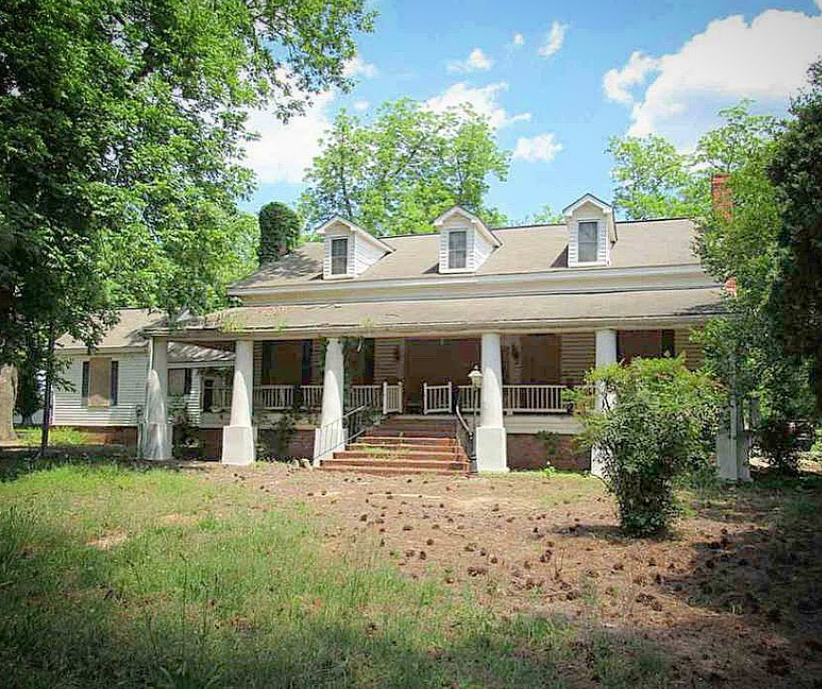
In 2020, this house stood vacant and boarded up down a dirt road in Houston County, Georgia. It had not been modernized, and its original materials remained intact. Yet it was not empty; its history was preserved in the local court archives, with a continuous 20-year paper trail documenting the lives connected to it. This rare find preserves not only the house but also the stories of everyone associated with it.
Andrew Jackson occupied the White House when the house was built. The Creeks had not yet been on the Trail of Tears, and the Civil War remained decades away, when the first cotton seeds took root in this soil. Today the mules are gone, replaced by modern tractors. Yet through nearly two centuries of change, one constant has endured: the cotton.
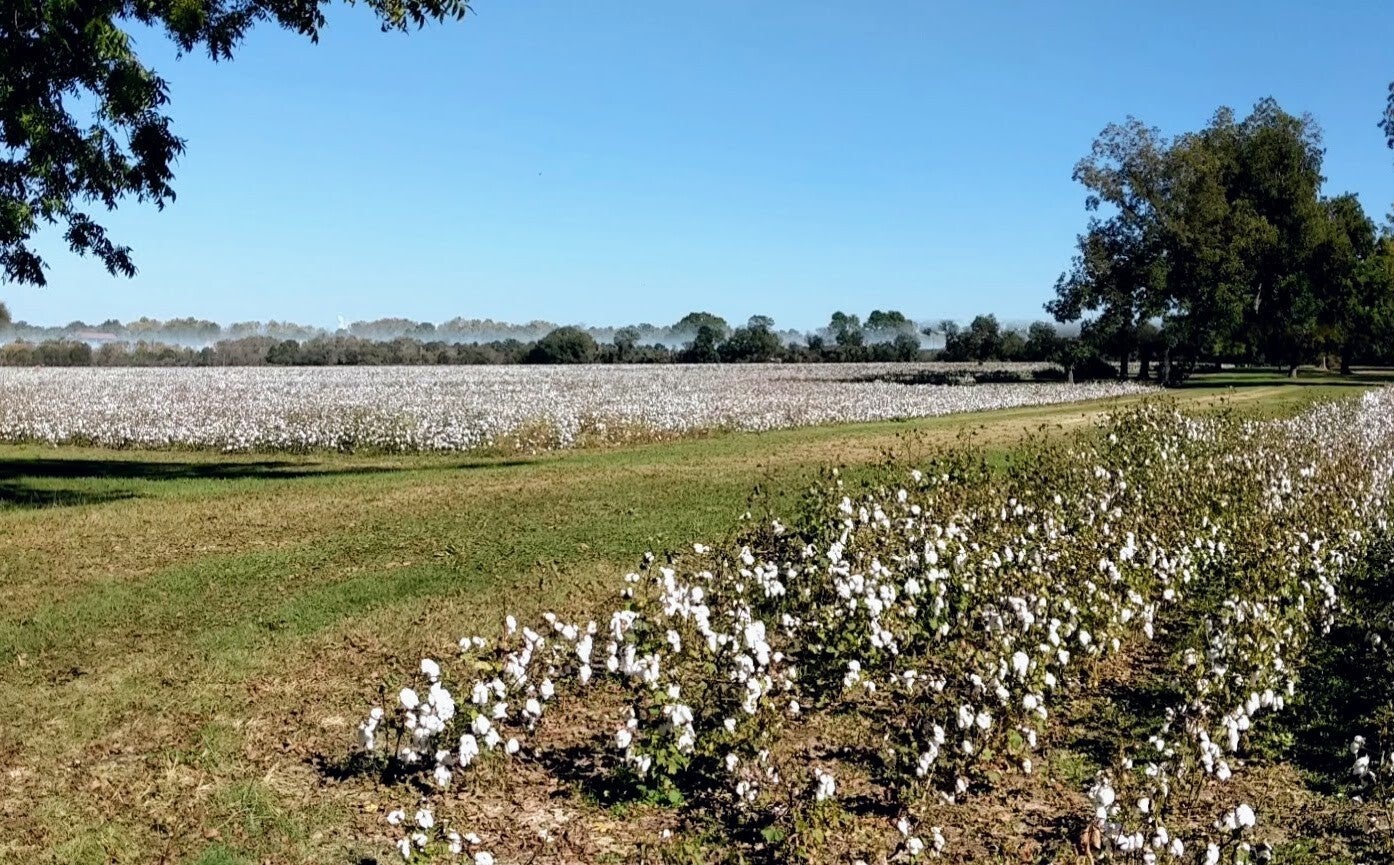
The wavy glass windows distort the view of the cotton fields today, just as they did before the Civil War. With a bit of imagination, you can envision the people who have long since faded into history. Although this era has been largely forgotten, it still lingers just beneath the surface: the Bryans

Historical records, genealogy, and newspapers reveal and document its past.

Review Enslaved Documents and Plantation Documents


Deep-Dive into the plantation's history
Legacy
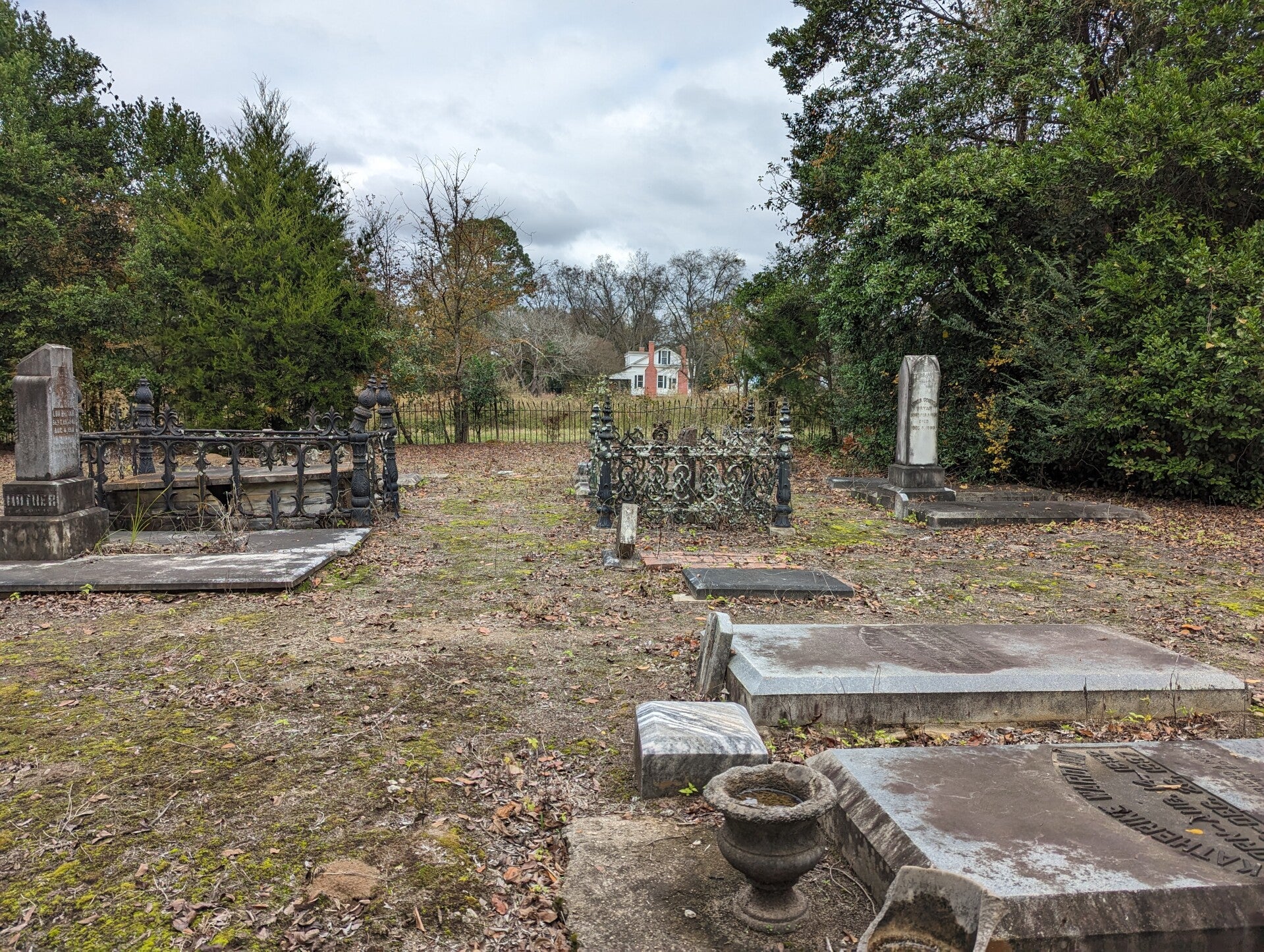
"The Afternoon was one of remembrance. It was spent at Bryan Homestead. The family group of two generations lingered long at the spot where they first knew what life and love and home were. Many were the changes, but memory, with her tender touch, brought to mind the "light of other days" and they saw the glorified pictures of the past. By twos and threes, with gentle eyes and hushed voices, they went through the familiar haunts, here a tree there a nook, the brook where many and oft they had waded; the sacred cemetery where those dear loved ones are sleeping. All these pictures, that are painted on the hearts and can never be effaced."