The Last Bryan
shaped in Margaret Mitchell's voice
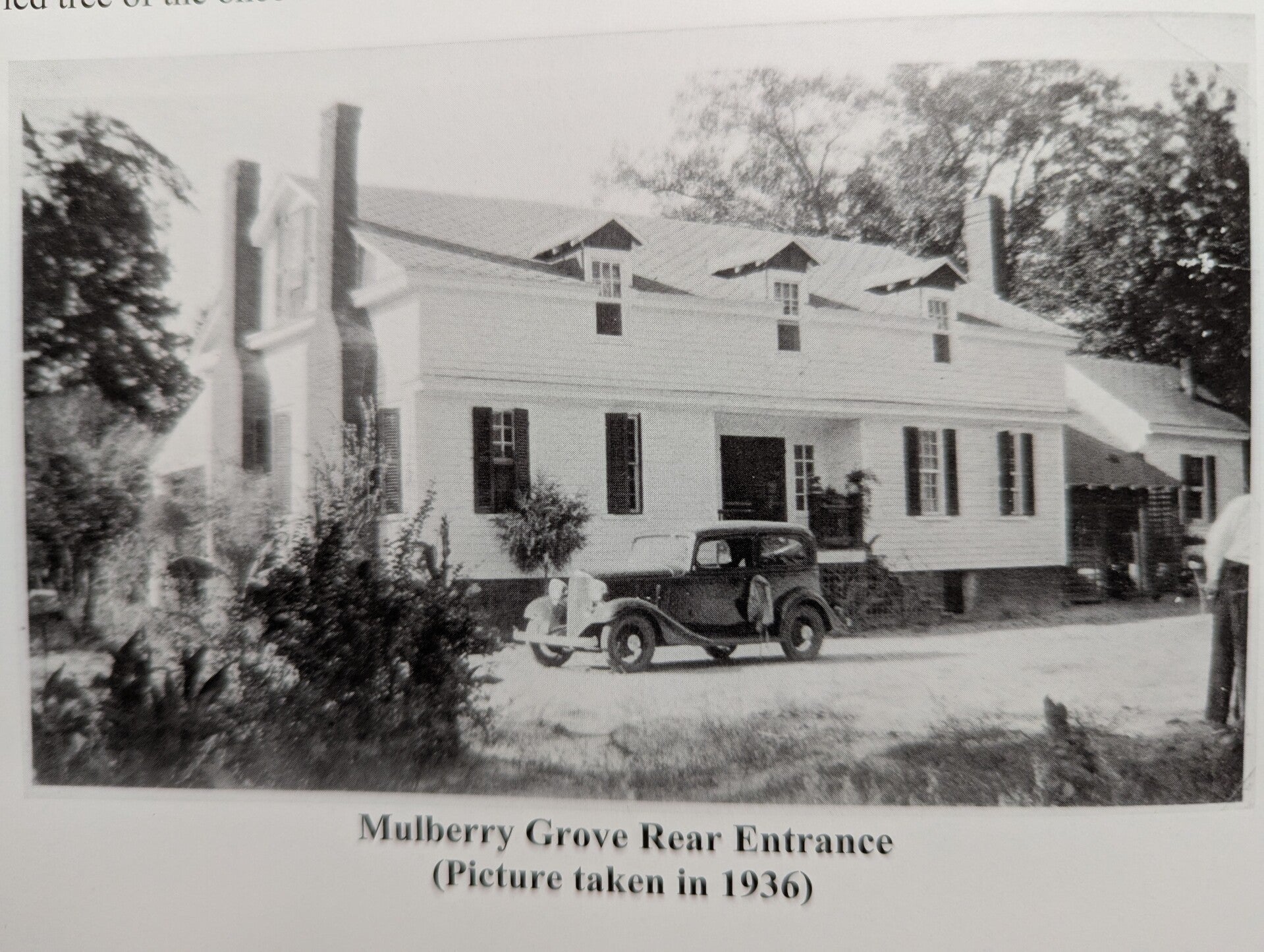
For nigh onto two hundred years, that fine old house had stood there on its Georgia hill, proud and stubborn as any Southern lady who won't be moved by time or trouble. It was built when the land was still wild frontier, a plantation house meant to shelter a family and hold the world at arm's length, and for one hundred and twenty-two long years it belonged to the Bryans, passing down through fathers and daughters like a cherished piece of silver, right up to 1954. After that, only one other hand touched the deed before the new century came rushing in around 2020.
Oh, the things that house had seen! It stood fast while the guns roared through four terrible years of war, while Reconstruction dragged on like a bad dream that wouldn't end, through two more great wars that tore the world apart, through the lean, hungry Depression days when folks wondered if tomorrow would ever come, and into the loud, changing whirl of the twentieth century. Lynda Lee Bryan—she was born in 1872 and left us in 1966—was the last of her blood to hold title to it. She was a bridge herself, a living link between the old days and the new. When she first drew breath, it was only seven years since General Lee had ridden away from Appomattox with his sword sheathed and his heart heavy; the old South was just fading like smoke from a dying fire. When she closed her eyes for good, the Voting Rights Act was fresh ink on the page, and a different world was already striding forward. She lived to see men set foot on the moon—saw it right there on a television screen, flickering like a dream—and in all her years she had watched nineteen presidents come and go, from Ulysses S. Grant, still carrying the smell of war, down to Lyndon Johnson, who never could sit still.
Her father, Dr. John Webb Lee, had known the inside of a Yankee prison camp, and the cold misery of it, the hunger that gnawed like a live thing, the chains that bit deep—he wrote it all down plain and true afterward, and that story became part of Lynda, the way stories of hardship become part of a Southern child, woven into her very bones. In 1901 she married Professor John A. Bryan from Houston County, a fine match, but fate has a cruel way of turning the knife. One freezing night he was kept from his Pullman berth, caught the chill, and it took him quick as you please. So the old house came to her by law, though she never lived under its roof, never walked its halls as mistress. Her life was in Talbotton instead, where she ran the *New Era* newspaper, editor and owner both, sharp as a tack and twice as busy. Why, she had started young—at fourteen she won an essay contest and saw her words in print, and that spark caught and burned bright for eighty years. Journalism was her calling, her daily fight and delight. But all the while, that antebellum house, shaded by its great old oaks, stayed in her heart like a secret keepsake. She wrote of it often in her columns, thoughtful and tender, the way a woman remembers a place that holds all her yesterdays.
She carried the whole sweep of it inside her—from the soft yellow light of oil lamps to the blinding rush of concrete highways slicing the countryside. The names on the gravestones out back, just visible from the windows, weren't just carved in marble; they were carved in her memory too. She held in her hands the weight of a Confederate deed, that yellowed paper from a world gone under, and the bitter echo of her father's long captivity. In 1954 she gave the place up, but it never truly left her; it went with her, quiet and steady, through all the years till the end.
When at last she lay down in an Atlanta bed at ninety-four and shut her eyes forever, the house stood on just as it always had, rooted deep in its own time while the rest of the country hurried headlong into tomorrow. She was the daughter of a man who had known irons and hunger, the last keeper of an old Southern title, and with a quiet, fierce strength she had held open both doors—of the past that was lost and the future that came whether you wanted it or not—letting the whole grand, heartbreaking story pass through. After all, tomorrow is another day.


A Day of Reunion and Remembrance
"The stately ante-bellum home is situated in a magnificent grove. Since 1832, this colonial structure has stood the storms and gained a prestige, as one of Houston County's landmarks, remaining in the Bryan family throughout the years. The broad veranda commands a view of the sunsets where, on this occasion, a young moon gleamed in silvery radiance. From the valley below, was wafted the fragrance of the sweet-scented bay. An initial duty is to visit the sacred resting place of departed loved ones, read the inscriptions which tell a shining record, then reverently place a flower to the memory of the saints on the other shore. A program replete with music, songs, readings and interpretative dances was presented. All day long and far into the night, these interesting diversions continued. Beautiful feasts were served 'neath the century-old trees. The presence of the servants who had rocked many of the Bryan children in their cradles added a touch of the dear, delightful days of Southern hospitality and a tender grace of a time fast fading into a silhouette of memory."
1926- Lynda Lee Bryan