Post-War Woes
by Lynda L. L.
In the gentle embrace of Georgia's verdant heart, Lynda Lee Bryan, a sentinel of memory, identified herself as the last tender shoot of an ancient family tree. Her dominion: a sprawling 202-acre plantation, not merely land, but a sanctuary, a living tapestry woven with the whispers and indelible imprints of generations past.

The saga unfurled with Abner Bryan, her husband's father, who, emerging from the crucible of 1865’s Civil War, returned to a shattered Eden. By 1867, he had taken Miss Harriet Taylor as his wife, and together, with a will as unyielding as oak, they resurrected the estate from the ashes of Reconstruction. Harriet, the gentle architect of rebirth, departed in 1888, followed swiftly by Abner in 1889, leaving behind three tender saplings: John, Mary, and Sarah.
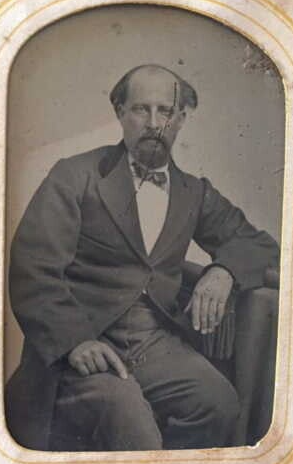


John Bryan, Lynda Lee’s eventual husband, was a soul steeped more in the poetry of words than the rugged prose of farming. A scholar, a professor at LeVert College in Talbotton, his mind bloomed in libraries, even as the name Bryan itself echoed with reverence throughout Georgian society.
Love, in its own delicate dance, found his sisters. In 1895, Miss Sarah Bryan, with a touch of practical grace, wed Mr. Oscar Heard, a prosperous merchant from Cordele. A year later, Miss Mary Bryan, a sorceress of the piano, lent her artistry and hand to Judge Lawrence of Houston County, their lives intertwining like a beautiful melody.
Lynda Lee herself, then a wordsmith for Talbotton's New Era, joined her fate with John Bryan in 1901. They rooted their lives in Talbotton, yet the ancestral hearth exerted an undeniable, almost gravitational pull on John, tugging him between his intellectual pursuits and the hallowed ground of his forefathers.
Then, a chill wind swept through 1914. John, in the pursuit of truth as a reporter for the Atlanta Journal, succumbed to a fatal exposure to cold, an untimely silence when accidentally locked out of his moving Pullman car. His departure left a chasm, a profound void in the heart of the Bryan narrative.
In the wake of sorrow, his sister Sarah and her husband Oscar Heard tenderly acquired the plantation from Lynda Lee, bestowing upon it a new, yet resonant name: "Camp Heard." It transformed into their cherished sanctuary, a hunting ground where the past, far from being buried, remained a palpable presence, a breath in the ancient air.
At a Bryan reunion in 1921, Sarah, a woman who had tasted the world's myriad vistas, declared her heart's true allegiance. It beat for the plantation, her birthplace, where her mother’s lessons still echoed, her father’s resilience had rebuilt, and John’s love had blossomed. The land, she affirmed, was irrevocably bound to their blood, to their memory, a covenant sealed by generations.
Yet, the cruel tide of the Great Depression did not spare Camp Heard. In 1936, the weight of financial ruin proved unbearable for Oscar Heard; he tragically sought solace in a pistol and eternal sleep. Sarah, left adrift and penniless, navigated her final years in a hotel room, sustained by the enduring kindness of Oscar’s sister, a testament to bonds forged beyond fortune.
Lynda Lee Bryan, the last watchman, reclaimed the house again, a silent sentinel tending to its precious memories through the tempest of wars and the subtle shifts of society, as the Bryan line, like a fading melody, gradually dimmed. The stoic columns of the house, they say, whispered tales of endurance.
In 1966, Lynda Lee Bryan, the final echo of the Bryan name, passed into history. Until her last breath, the plantation house resonated with the spirited presence of those who had fought to preserve it. Today, it stands, a profound testament carved in wood and memory, awaiting its next chapter, its untold future.

